Read the local history
Use the Handbook of Texas as a starting point for the people, land grants, and agricultural changes behind the town.
Plan this stop ↗ RGV Guide.RIO GRANDE VALLEY · TEXAS
Agricultural roots, a slower stop
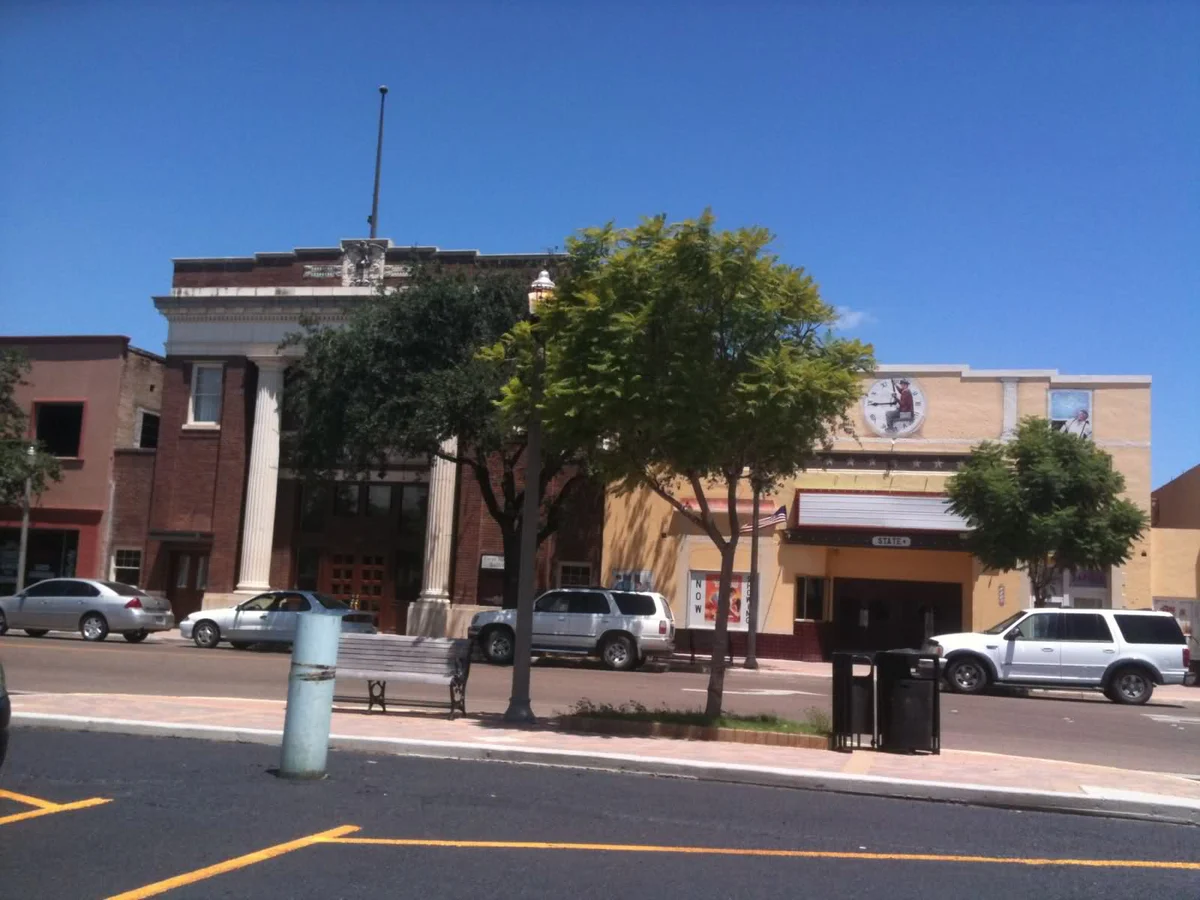
Donna belongs on a Valley trip that leaves room for the smaller communities between headline destinations. Use a stop here to explore the region’s agricultural roots, then pair it with the nature sites around Weslaco or Alamo. The appeal is the connection between working towns and the landscape, rather than a long checklist of large attractions.
Find Donna on the map ↗Donna developed on land within the nineteenth-century La Blanca grant. The arrival of the railroad in 1904 helped establish a town tied to irrigation and commercial agriculture. The Hooks family was involved in the area’s development, and the town was named for Donna Hooks Fletcher.
Fruits and vegetables remained important to the local economy as the community grew. The wider history also includes families who lived here before the railroad boom, migrant agricultural labor, and segregated schooling. Looking beyond the founding date helps explain how successive generations built the town and worked the surrounding land.
Historical background: Handbook of Texas, Texas State Historical Association. Original RGV Guide summary.
Use the Handbook of Texas as a starting point for the people, land grants, and agricultural changes behind the town.
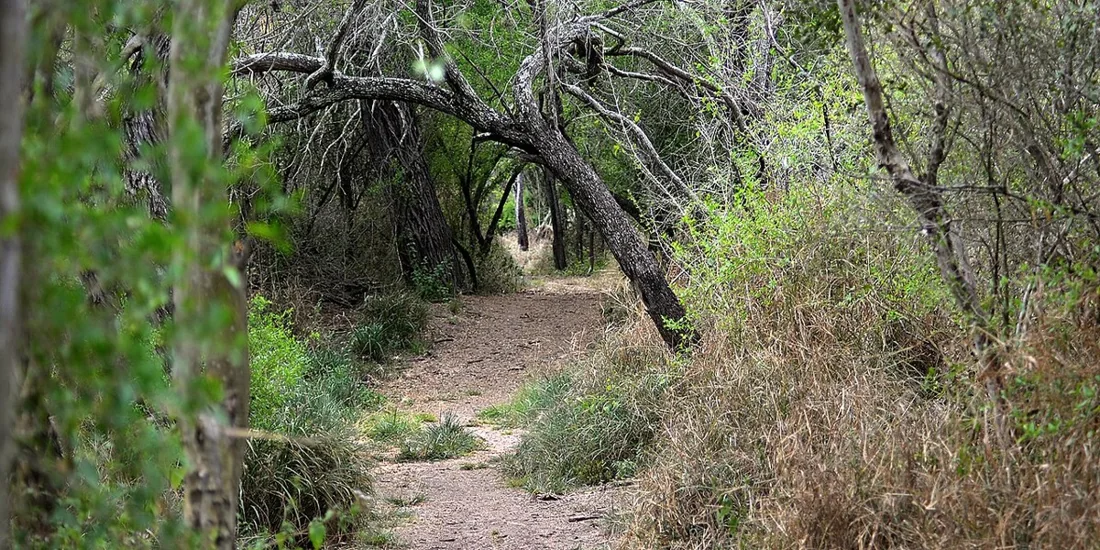
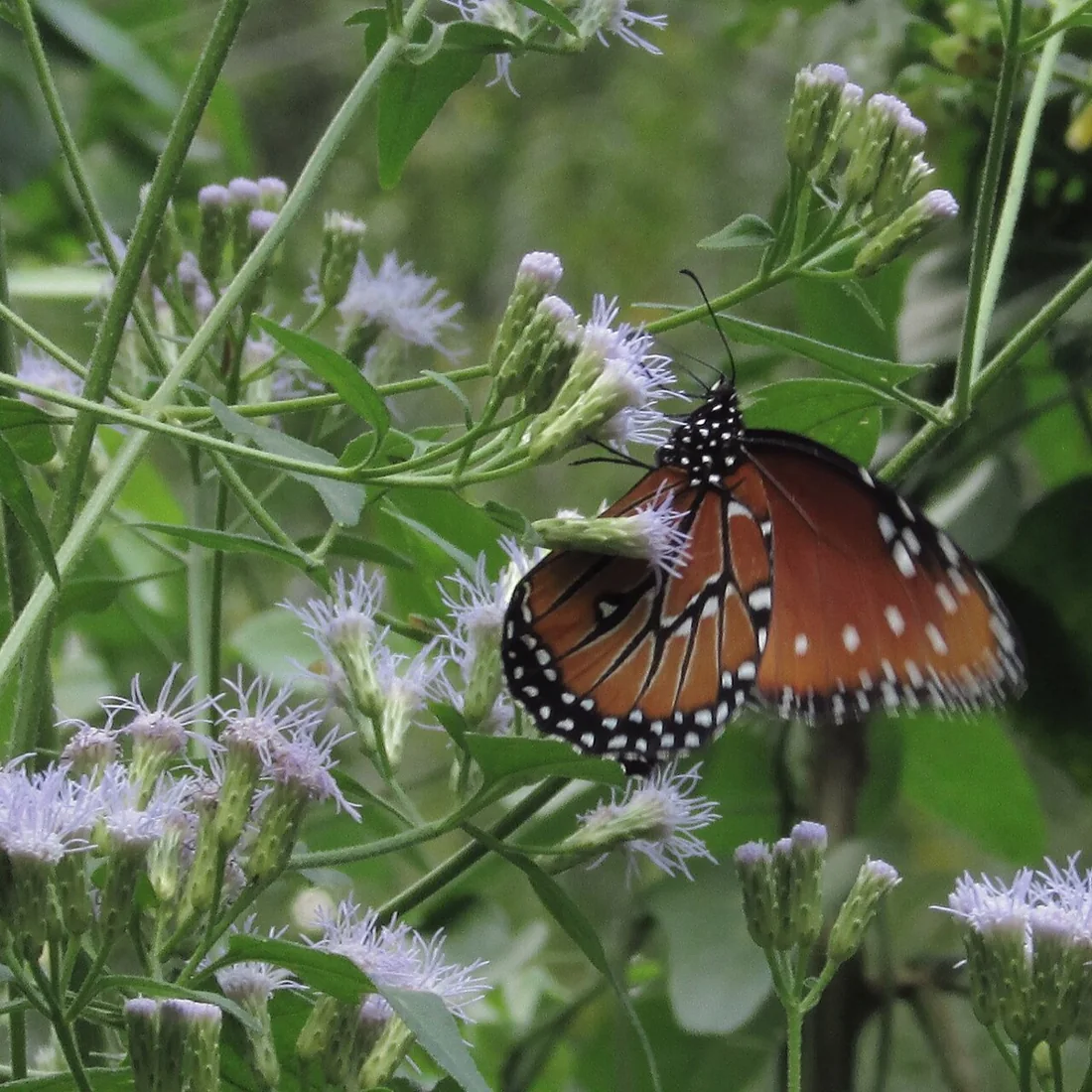
Plan this stop ↗Combine Donna with a wetland or native-plant outing in neighboring Weslaco. These attractions are outside Donna itself.
Plan this stop →For a longer nature outing, head toward the refuge south of Alamo and choose a trail suitable for your group.
Plan this stop ↗Check current hours, admission, accessibility, and any closures directly with each destination. Suggested outings are editorial ideas, not booked tours.